Showing posts with label Health. Show all posts

Thursday, October 15, 2009

National Vegetarian Month!


October is vegetarian awareness month. With the title in place, this can be a great motivator to give going vegetarian a try for at least the remainder of the month.

When done in the right way, becoming vegetarian can be extremely beneficial to your health. Because of the nature of a balanced vegetarian diet, which consists mainly of fruits, veggies, whole grains, and lean proteins, it can be a healthy aid in losing weight. Vegetarians tend to have lower BMIs and have a more conscious awareness of what they are consuming.

A vegetarian diet can also help to reduce the risk of heart disease because of the decrease in cholesterol and saturated fat that is being cut out by eliminating meat. A balanced vegetarian diet is full of fiber which promotes proper digestion and regularity. It is also linked to a decreased risk of diabetes and high blood pressure.

After all, what could be unhealthy about eating a bunch of fruits and vegetables? And that is the key to keeping a vegetarian diet healthy. Don't think you can just swap your burgers for meatless pizza and start losing weight. One still has to be mindful about what they are putting into their body. Also, it's important to be conscious about getting an adequate amount of protein. Nuts (also containing healthy fats and omega 3's), yogurt, soy, and beans and legumes are great, lean sources of protein. While eating fruits and vegetables is great, don't forget to add protein to almost every meal you consume. Proteins will help to leave you satisfied for longer periods of time and will make the transition from meat to no-meat easier.

A vegetarian diet not only does wonders for the body. It is also wonderful for the environment as well. With gas emissions and smog filling our air and global warming increasingly on the rise, every bit of environmentally friendly action is important. Farm animals used for meat emit a substantial amount of methane gas, a gas 20 times more powerful than carbon dioxide at trapping solar energy. Methane and other greenhouse gases are big contributors of global warming. Also, cows need a lot of grass to munch on. In order to make room for these big, grassy fields that farm animals require, rain forests of often clear-cutted, causing an increase in deforestation. And cow doesn't just gotta eat. Its gotta drink too. Cows and the manufacturing techniques used to process them when they're slaughtered puts a drain on our water supplies. One pound of beef requires an input of approximately 2,500 gallons of water, whereas a pound of soy requires 250 gallons of water and a pound of wheat only 25 gallons.

So give vegetarianism a try, both for you body and the environment. If a balanced diet is kept, you should feel extra energized and good about yourself for knowing you're doing your part in keeping the Earth and your body healthy.

Tuesday, October 13, 2009

Obesity Kills

A study led by researchers at the Harvard School of Public Health, with contributions from the University of Toronto and the University of Washington, showed that obesity racks up quite a few preventable deaths. The scary statistic shows that 216,000 deaths per year are due to obesity. That's more than I can count on 43,200 hands!

This is a sad statistic and one that we can fix. Americans need to quit munching on potato chips while sitting on the couch, and start making green shakes to power up their feet.

Little exercise and overeating has become quite the problem. But even small changes can turn this trend around.

The New York Times
asked readers to submit their rules for eating and then picked a few of their favorites. Here are some of my favorites from the list:

-The Chinese have a saying: "Eat until you're 7/10 full and save the other 3/10 for hunger." That way, food always tastes good, and you don't eat too much. -Nancy Ni
  • The Chinese seem to have nailed it with this quote. When you're hungry, food always tastes better. A healthy appetite can make a plate full of vegetable taste so much better. By leaving yourself just a little bit hungry, you set yourself up to enjoy a delicious meal later in the day.
-If you are not hungry enough to eat an apple, then you are not hungry. -Emma Fogt
  • This rule is something I relied on to help me quit snacking. Before, I used to mindlessly snack on what was often unhealthy, salty or sweet foods. Now, before I reach for a snack I ask myself, "Would I be content in eating a piece of fruit?" If the answer is no, then I know I am not hungry enough to eat a snack. I love fruit, so if I truly were hungry, I'd be satisfied. However instead, often times my mind has just become bored and has fallen astray, resulting in a craving for that sugary cookie lying on the counter.
-"You don't get fat from food you pray over." This was from a friend who pointed out that meals prepared at home, served at the table, and given thanks for are more appreciated and more healthful than food on the run. - Carol Jackson
  • I feel extremely fortunate to have had a mother who instilled into me the idea of family dinners. Throughout grade school and leading all the way until the end of high school, my family would come together on week nights to share a family dinner. After speaking with my friends, I have found that this isn't that typical anymore. More and more, people are eating on the couch, in their cars, while running to class, etc. etc. Instead of taking the time to sit down and turn meals into social, sensual rituals, people are mindlessly shoving food down their throats while on the run. This is a factor that I believe has greatly contributed to our obesity epidemic. When you're not sitting down to really taste and enjoy the food in your hands, your mind doesn't fully compensate for it, leading you to want more and more food. Also, home-cooked meals almost always tend to be healthier than those you can get out. Americans need to return to the sit-down meals, and leave driving for the car.
-Don't eat anything that took more energy to ship than to grow. -Carrie Cizauskas
  • Eat local. Load up on veggies. Cut back on processed foods. Grown your own food and burn your own calories while doing it. Enough said.
-Avoid snack foods with the "OH" sounds in their names. Doritos, cheetohs, fritos, tostitos, hostess ho hos, etc. -Donna David
  • This is often quite true when it comes to snack foods. Doritos, cheetohs, and many of the other OH's are loaded with artificial colorings and processed ingredients, as well as fat and calories. Unless it's a whole grain cheerio, skip the OH's.
-I am living in Japan and following these simple rules when preparing each meal: GO HO- Incorporate 5 different cooking methods (steamed rice, simmered vegetables, grilled tofu, sauteed vegetables, raw fish, etc.) GO SHIKI- Incorporate 5 colors (red, white, green, black, yellow) GO MI- Incorporate 5 flavors (Sweet, sour, salty, bitter, spicy). While it might look like a lot of work, it is actually very easy and helps with menu planning and shopping. - Yukari Sakamoto
  • Japan is one of the healthiest and slimmest nations. While they traditionally tend to eat a lot of healthy foods, such as brown rice and seafood, the technique above proves just why the Japanese can stay so thin. By satisfying an array of senses, one can feel more content, making it easier to stop after just one helping. The technique described above employs visual, textural, and taste differences that work towards satisfying each sense. By having a variety of textures, tastes, and colors, the mind and tastebuds won't have any missing part in which to yearn.
Use these rules to help you become a mindful eater and get the most out of your meals. Take time to fully savor and enjoy each bite that you take. This will require you to stop all else that you're doing, pop a squat, and bring your entire focus to the present moment, fully engaging in what you're eating. Yes, this is one time where it's unquestionably okay to take a seat. It's often said that next to sex, food is one of life's greatest pleasures. We certainly wouldn't want to rush through our sexual escapades, so why do we seemingly persist on rushing through our food?

Saturday, October 10, 2009

Take 5

"Pausing is something I do more often now.. And I pray or meditate --or do both-- everyday." -Oprah Winfrey

While eating my oatmeal this morning, I picked up a book that just happened to be lying around titled The Best Life Diet by Bob Greene. The foreword was written by Oprah Winfrey, describing her personal battle with weight. I think the quote above, about pausing in life, is one of the most essential tools in losing weight or dealing with almost anything in life.

While I'm not overweight or looking to go on a diet, like numerous Americans I do have the problem of eating when I'm bored. I've struggled with this habit since I was in high school, when homework got tedious and less interesting and girls started getting more conscious of their weight. Often times today, whenever I'm sitting and working on a boring project, my mind is triggered and starts repeating distracting thoughts of food. While I used to use food as a distraction, I now much more often used simple breathers/breaks to overcome my straying mind.

I used to snack all the time. I have a high metabolism due to being very active, so it never became too big of a problem when it came to my weight. However, it did pose a personal problem when it came to my appetite at meal times. As my snacking habit became more frequent (and as more boring homework was loaded on), I started to notice that I'd never really have a strong appetite when it came to actually sitting down for a meal. This was something I didn't like. Nothing is better than sitting down to a full meal when you're really hungry. But when you fill up on snacks all throughout the day, it's just not nearly the same. So I began cutting back on my snacking. This was hard considering it had become such a habit.


But when I really started to work on this was also around the time I set off for Yogaville. I went to Yogaville to become certified as a yoga teacher. I left the place after not only receiving a teacher's certification but after learning more about life than I could ever comprehend. During my time spent there this summer, one of the main things that was instilled into me was the importance of taking pauses in everyday life. I have taken this tool home with me and put it to use in almost all aspects of my life.

I used to be a person that was always on the go. Go go go. That was me, never stopping to take time to notice how I was feeling. There was so much in life that I wanted to experience, and still do, that I just didn't make the time to ever take a break. It got to the point where even I realized, I was going too much. I would be frequently worn down and just needed a break. And Yogaville really helped me understand that needing to take breaks is not only natural but essential.

This idea applies to food as well. Along with my always going lifestyle, my mind was almost always going as well. So when I'd sit down to do something boring, such as busywork homework, my mind wouldn't want to think about what I was doing. So instead, it would immediately stray to something I much more enjoyed: Food. My mind was constantly used to thinking, so it had to quickly move on to something else. As I became conscious of what my mind was doing and when I found myself snacking, I began to put to use what I learned at Yogaville about taking breaks in life.

When it comes to food and weight, taking breaks to really stop and ask yourself, "Am I hungry?" "Why am I hungry?" is essential. Compulsive eating, such as eating when you're bored, can be prevented by stopping and determining what's really causing you to want to eat. Now, whenever I'm impuslively reaching for a snack, I stop for a few seconds to determine if my body really wants food or if I'm just bored/emotionally reacting to something.

Every morning, I start out with a 10-15 minute meditation. This morning pause helps to immediately set the scene for the rest of my day. It reminds me to be in the present moment and to take my time, and prevents me from instantly launching into an unhealthy breakfast, or from racing around to get ready. Throughout the day, if my mind starts racing or directing me towards junk- in terms of food/anxiety/gossip/frustration/hate/sadness/etc- I stop, take a few breathes, and determine the root of these thoughts. If all I can determine is boredom, than I'll stop the activity for a few minutes to do something fun, such as read my favorite magazine. And then I'll continue with my work, taking deep breathes whenever I feel the need to do so. Nothing is healthier than oxygenating the body with fresh air. And nothing is better than being in the present moment.

When you can bring yourself entirely to the present moment, you'll see that all of life's worries go away. All of your compulsion will go away, your depression, your need of food, blah blah blah, all gone. Instead, you become completely satifised with what you're doing in each second of the present moment.

So use this lifelong principle and apply it to food if you need to. The next time you feel yourself reaching for an unneeded snack or an unhealthy item, pause and take a breather. Maybe take a moment to simply enjoy your surroundings and absorb the beauty around you. After just a few deep breathes, I guarantee you'll find yourself no longer wanting that item, or at least have an easier time taking your mind off the item and getting back to what you're doing in the present moment. Use this principle for ANYTHING.

Have you ever found yourself upset, only to look back on it and see that getting upset was really worthless? This exact principle can easily be applied to a situation like this. Instead of falling to pieces when something "bad" happens, just accept it, take a breather, and relax yourself. Give it a try, and I guarantee you'll be happier and healthier.

Thursday, October 8, 2009

How to Get The Most Out of Your Veggies

If you're unaware that vegetables are filled with vitamins and nutrients, then you might as well not be a human being. However, what you might not know is that the way you cook vegetables can greatly determine how much of those vitamins and nutrients you're actually taking in.

A study done in the UK showed that that boiling vegetables, particularly ones in the cruciferous family (such as broccoli, brussel sprouts, cabbage, cauliflower, kale), significantly reduces their cancer-fighting properties. Gucosinolate, which converts to isothiocynate, a cancer fighting chemical which helps to remove cancer causing constituents within the body, is almost entirely destroyed when vegetables are boiled.

Also when boiled, many of the vitamins and nutrients are lost in the water that covers the vegetables. If you must boil your veggies, save what will become nutrient-rich water for a soup or gravy.

One of the best alternatives to boiling veggies is steaming them. While the cooking process is similar- bring the water to a boil and then place the vegetables in the pan- steaming requires a steaming basket which keeps the vegetables from being saturated in the water. By filling up the pan with water so that it just reaches the bottom of the steamer basket, not as many of the vegetables' nutrients can be lost to the water. Generally vegetables lose 50% less minerals during steaming than boiling.

A study published in the Journal of Food and Science, showed that one of the best ways to retain nutrients is through microwaving the vegetables. They tested six different cooking methods using 20 different kinds of vegetables, and concluded that microwaving maintained the highest level of antioxidants. Although, I am weary of the use of microwaves as I fear we aren't quite sure exactly what the repercussions may be that come from using them. Considering people seem to be microwaving everything these days from sweet potatoes to rice to raw meat, I have made a personal choice to limit my use of the microwave. It is said that when food is microwaved, the molecular structure of that food is modified. I am simply weary of facts like that. However, if in a squeeze, it looks like it might prove to be beneficial when it comes to cooking vegetables. Though, when it comes to cauliflower, skip the microwave. The above study found that the highest loss of antioxidants came from microwaving cauliflower.

Other methods of cooking vegetables include baking and frying. While these methods are okay for some vegetables and can certainly make tasty dishes, the higher the heat used, the more nutrients you'll tend to lose. For example, frying potatoes at a high heat in order to make french fries causes them to lose up to 90% of their vitamin C.

Another way to eat vegetables, which seems to be a huge trend especially on the west coast, is to simply not cook them at all. Steaming a vegetable for just 30 seconds will alter the amount of nutrients it contains. Eating vegetables raw assures that you don't lose any nutrients from the cooking process. However, in some cases, cooking vegetables can actually enhance nutrients. For instance, healthful sulfur-containing compounds within onions and garlic are actually released through the cooking process.

Also, make sure that you're getting your vegetables fresh. Time can greatly decrease their nutrient contents, which means the longer you wait to eat the veggies, the less nutrients they'll contain. Use this tip to get you to eat more vegetables. If you have veggies in your fridge, eat/cook them!

The bottom line: it's important to eat your vegetables no matter how they're cooked. Opt for steaming, or if in a pinch for conveniance, microwaving, and try to stay away from overcooking. Make sure they still retain some of their natural vibrant colors after they're done cooking. And if you really want to ensure you're getting the optimal nutrients from your veggies, cook up some artichokes. Artichoke were the only vegetable in the Journal of Food and Science study that kept its high antioxidant level during all of the cooking methods.

Sunday, October 4, 2009

Beware: Poo On Your Meat

Since I am a pescetarian (a vegetarian who abstains from eating all meat with the exclusion of seafood), I luckily don't have to worry about what's going into my hamburgers. My "hamburgers" usually consist of beans or soy products that aren't as likely to be contaminated with harmful bacteria such as E. Coli. (Interested in trying a good meatless burger? Try Flame-Grilled Boca Burgers. Boca's breakfast 'sausage' links are also really tasty.)

However, for those of you who do occasionally indulge in a hamburger, you may want to beware of what you're ingesting. While I certainly don't condone those who eat meat, nonvegetarians definitely need to be more careful when it comes to handling and purchasing foods. The New York Times, recently published an article that exposed the meat industry in their process of making hamburger meat. What the article had to say wasn't all that pretty...

The article was a little lengthy, so I'm going to highlight some of the important and of interest points, much of which could be of concern to any meat-eater.

The NY Times constructed the article around Stephanie Smith, a woman who ingested a burger containing E. Coli and as a result is now paralyzed from the waist down. Doctors also say that her kidneys are at a high risk of failing. The human body contains two kidneys that work to remove waste from the blood of which is then transported out of the body when we urinate. Kidney failur can cause longer term disability or even death. One kidney must remain functional in order to survive. Doctors say that most likely Ms. Smith won't ever be able to walk again.

According to the NY Times, most patients are able to recover from E. Coli toxification. However, in the worst cases such as Smith's, the bacteria can penetrate the colon wall, damaging blood vessels and causing clots which can lead to seizures. The seizures can be so intense that they can inhibit the brain from properly function for periods of a time. Even in less severe cases, patients are almost always sure to become sick. According to WebMD, ingestion of E. Coli O157:H7, the strain that causes food-borne illnesses, will cause symptoms such as severe stomach cramps, nausea, vomitting, and diahrrea. If the illness doesn't reach a severe stage, symptoms will generally last for about a week or so.

So how is E. Coli getting into market-sold products? The NY Times did a large examination of the meat industry to try and answer this question. They found that hamburger meat sold at the supermarket is almost always a blend of different grades of meat from various parts of the cow, coming from numerous slaughterhouses. Food experts say that the cuts of meat used are particularly vulnerable to E. Coli contamination. Cargrill, the company that processed the meat of which contaminated Ms. Smith, used a large blend of meats which allowed them to spend 25% less than if they used cuts of whole meats. While they may have initially saved some money, this ensued several multi-million dollar claims by some of the people who got sick.

The ingredients Cargrill used came from slaughterhouses ranging from places like Nebraska, Texas, South Dakaota, and all the down to to Urugway. The largest and cheapest component used in making ground hamburger meat is beef trimmings, which contain 50% fat, 50% meat. The article stated that in large grocery store chains such as Publix Super Markets, in order for customers who want to make a hamburger from meat obtained from whole-cuts, they'd have to purchase a steak and have it specially ground, said a Publix spokesperson.

The low-grade meat trimmings are cut from areas of the cow that are more likely to be contaminated by feces (Poo). The cattle in slaughterhouses are often smeared with traces of feces that harbor E. Coli. In order to keep the feces from contaminating the meat, the cattles' hides, which are particularly close to the outer trimmings obtained from the outer surfaces of the carcasses, must be very carefully removed. This can easily be slipped up, as the large clamps holding the hide often slip and smear feces onto the meat. Also, it's easy for workers to unintentionally spread feces to the meat they are handling as they quickly and often unmindfully slice away the hides. Inspectors have said that E. Coli are also particularly present at the intestines gutting stations within slaugtherhouses.

And while slaughterhouses and meat processing plants can't quite be compared to the conditions of extreme squalor described in Upton Sinclair's The Jungle, the environment is by far still not adequately clean and pristine. Inspectors at Cargrill found large amounts of meat patties thrown on the floor, old bits of meat hanging of meat grinders, and workers dumping indedible meat on the floors beneath production lines. None of this speaks of healthy sanitation to me.

The NY Times reported a survey taken by the Agriculture Department of more than 2,000 plants that taken after the Cargill outbreak. The survey showed that half of the grinders did not test their finished ground beef for E. coli, and a measly 6 percent said they tested incoming ingredients at a very measly least amount of four times a year.

While there is no federal requirement for grinders to test their ingredients for E. Coli, a lot of companies do set their own standards and testing. However, many companies such as Cargrill, don't even follow their own safety programs, the same ones they made. The reason that federal requirements haven't been made is because industry officials claim that the cost of testing could unfairly burden small processors and that slaughterhouses where the meat is purchased already test for the pathogen. However, meat is a delicate food when it comes to bacteria growth. You would think that it would be more important for thorough standards to be set so that vicitims such as Ms. Smith wouldn't have to worry about what they're buying or eating from the grocery store.

A direct quote taken from the NY Times article stated this: "Dr. Kenneth Petersen, an assistant administrator with the department’s Food Safety and Inspection Service, said that the department could mandate testing, but that it needed to consider the impact on companies as well as consumers. “I have to look at the entire industry, not just what is best for public health,” Dr. Petersen said."

Isn't public health more important than the industry's financial gain? Without health, money means nothing. And clearly, being sued for multi-millions isn't doing much for companies in terms of finance.

To make matters worse, many slaugtherhouses won't sell to grinders who test their meat. Slaughterhouses fear that one grinder’s discovery of E. coli will set off a recall of ingredients they sold to others. So basically, they don't care if they are selling contaminated meat and harming customers as long as they can continue selling their products. Taken from the Times article: The food safety officer at American Foodservice, which grinds 365 million pounds of hamburger a year, said it stopped testing trimmings a decade ago because of resistance from slaughterhouses. “They would not sell to us,” said Timothy P. Biela, the officer.

These cases don't help to cast capitalism in a good light. Workers at Greater Omaha, another meat processing company, filed a suit against the company saying that they weren't getting paid for the time they spent cleaning contaminants off their knives and other gear. Greater Omaha is contesting the suit...but if this is true, most likely workers aren't paying attention to the details of cleaning their utensils, meaning bacteria is probably left to reside on them.

The Times found that even the safe handling instructions of meat can not enough fully prevent the bacteria of meat from spreading in the kitchen. The E. Coli pathogen is so powerful that it can cause illness from just a few cells left on a counter. “In a warm kitchen, E. coli cells will double every 45 minutes,” said Dr. Mansour Samadpour, a microbiologist who runs IEH Laboratories in Seattle, one of the meat industry’s largest testing firms.

While companies treat their fatty trimmings with ammonia, yes, ammonia, it is often still not enough to prevent E. Coli contamination. The bottom line is this: Be weary when buying any meat, especially meat that is highly processed. It's generally best to get meat from a local butcher of whom you can get to know. Also, free-ranged, organic meat is generally safer and prevents less animal cruelty living conditions. While it may cost you a few extra bucks, the money is worth your health and your conscious.

Here's my only vegetarian pitch...If you're going to eat meat, maybe try consuming a little less of it. Especially if you have you're own garden, you don't have to worry quite as much when you're cooking up simple, unprocessed veggies and beans. Stick to the basics and your mind and health is generally worry-free.

To read the whole NY Times article, go to: http://www.nytimes.com/2009/10/04/health/04meat.html?pagewanted=1&_r=1&th&emc=th

Friday, October 2, 2009

Healthy Snacking

Snacking can be healthy when done in the right away. That means, staying away from high fat, empty calorie snacks, and opting for something with a little bit more fiber and/or protein. Sometimes snacks are the perfect pick-me-ups and can keep you from overindulging later in the day. Check out the following healthy picks that will be sure to leave both your brain and tummy satisfied.


Salty
-
1/4 cup of dried, unshelled edemame- These come in a variety of flavors. If you're looking for something simple, try the sea salt. If you want a little kick try my favorite, wasabi. One serving has a mere 140 calories and a whopping 14 grams of protein.
-1/4 cup of hummus with a few baby carrot sticks- I am absolutely in love with hummus. In high school, I ate hummus sandwiches like other people at PB&J, nonstop. This creamy, mediterranean dip is primarily made out of protein-packed chickpeas and heart-healthy fat containing sesame tahini. This snack is guaranteed to leave you completely satisfied, with only an added 80 calories to your days consumption.

Sweet
-
One 8oz container of Fage 0% Greek yogurt with one tablespoon of honey- Greek yogurt is particularly dense and creamy, even without the fat. Add a tablespoon of honey and the snack comes to 180 calories (energy) along with a full 20 grams of protein. Mmm.
-Two individually wrapped Dove Dark Chocolate squares- Costing just 84 calories, the individually wrapped squares assure that you won't down a whole candy bar. Plus, a little dark chocolate can actually be good for you. And, when it comes to dark chocolate, a little goes a long way in making your tastebuds satisfied.
-An apple or banana- You can't go wrong with a piece of fruit. Typically containing around 80 calories, nature's sweet candy is filled with fiber and nutrients. Heck, if you're really hungry, indulge yourself in two pieces.

Savory
-
One tomato, sliced and sprinkled with 1 oz. feta cheese- This 100 calorie snack is the perfect combination between juicy, salty, and savory. Add some basil for a little extra punch of flavor.
-Zesty BBQ Soy Crisps- Crispy and savory like BBQ potato chips, without all the greasy fat. Try a brand such as Genisoy which enhances their crisps with soy protein. One serving packs just 120 calories and 7 grams of protein.

So the next time you reach for a snack, skip the Doritos and the gummy bears and try out these options, which are more nutritious but equally as satisfying. Determine if you're craving something salty, sweet, or savory and give it a go. There are tons of snacks that aren't on this list that are just as healthy and delicious. When it comes to snacking, aim for something under 200 calories with at least 2 grams of fiber or 6 grams of protein per serving.

Thursday, October 1, 2009

Breast Cancer Awareness Month


In light of Breast Cancer Awareness Month, I've posted a story below that I found today in the Philadelphia Metro. The inspirational story of which centers around a dragonfly has given strength to numerous families coping with cancer. This is a story that everyone can take something away from.

Once, in a little pond, in the muddy water under the lily pads, there lived a little water beetle in a community of water beetles. They lived a simple and comfortable life in the pond with few disturbances and interruptions. Once in a while, sadness would come to the community when one of their fellow beetles would climb the stem of a lily pad and would never be seen again. They knew when this happened -- their friend was dead, gone forever. Then, one day, one little water beetle felt an irresistible urge to climb up that stem. However, he was determined that he would not leave forever. He would come back and tell his friends what he had found at the top. When he reached the top and climbed out of the water onto the surface of the lily pad, he was so tired, and the sun felt so warm, that he decided to take a nap. As he slept, his body changed and when he woke up, he had turned into a beautiful blue-tailed dragonfly with broad wings and a slender body designed for flying. So, fly he did! And as he soared he saw the beauty of the whole new world and a far superior way of life to what he had never known existed. Then he remembered his beetle friends and how they were thinking by now he was dead. He wanted to go back and tell them and explain to them that he was now more alive than he had ever been before. His life had been fulfilled rather than ended. But, his new body would not go down into the water. He could not get back to tell his friends the good news. Then he understood that their time would come, when they, too, would know what he now knew. So, he raised his wings and flew off into his joyous new life! - Author Unknown

Moral of the story, never give up. And if you fail at something, don't automatically consider yourself a failure. Sometimes being unsuccessful is what's actually meant to be and something even more wonderful will come your way. So never give up on life. There's so much to learn, so much to experience. The world is beautiful and has something different yet great to offer to each and every person it breathed into existence. Don't be afraid to take chances like the dragonfly did, and get out there. Experience the world in a whole new light. You'll be surprised what life really can encompass. Always live on the plus side of life...just that simple change can turn your world upside down (more like right side up), and shine light into your life. And as always, like the dragonfly, get your butt outside to experience and take in the Fresh-Air!

Tuesday, September 29, 2009

DDDD Dangerous Deficiency

A few months ago after going in for a checkup, my alternative-based doctor added another vitamin to the list I'm already taking. On top of the Vitamin C, B vitamin complex, and calcium, she recommended I take a daily Vitamin D capsule. She warned me that although I spend much of my time in the sun, the majority of Americans aren't getting enough Vitamin D. Since I don't drink milk and only eat eggs and fish occasionally, all foods that are rich in Vitamin D, I am likely one of the Americans deficient of Vitamin D.

According to Scientific American, 3/4 of American's adults and teens are deficient in vitamin D, and CNN reports that 70% of America's kids are below recommended levels.

Vitamin D's primary role is aiding in the absorption of calcium, helping to support strong bones. Vitamin D has also been linked to protecting against osteoporosis, diabetes, hypertension, and certain cancers and autoimmune diseases. CNN reports that for children, low levels may increase the risk of heart disease later in life.

Since Vitamin D plays a role in bone metabolism, it is essential that growing children and athletes involved in hard-impact sports are getting enough of it. However, studies have shown that most likely, neither group is meeting adequate levels. A study done by the National Institutes of Health tested 18 gymnasts for vitamin D and found that 15 of them had levels lower than the recommended guidelines. The study went on to conclude that athletes should probably be tested for vitamin D levels.

So how can one get enough vitamin D? Well, vitamin D, also known as the sunshine vitamin, can only be made when the body is exposed to sunshine. It is said that in Northern latitutdes during the seasons of spring, summer, and fall, as little as 15 minutes of sunshine a day will provide adequate amounts. I found this to be interesting considering my doctor received tests saying I indeed do have low "D" levels. With so many Americans being deficient, are we really not spending at least 15 minutes in the sun a day? I find this to be hard believe. But anyways, there are other ways to ensure that you get enough vitamin D. Most milk is enhanced with the vitamin, and foods such as salmon, sardines, shrimp, cod, and eggs also contain a fair amount. Many experts also recommend taking a supplement. Since my tests showed I had a deficiency, my doctor has me taking 5000 IU a day, however there are many supplements that contain lower amounts such as 500-1000 IU. In general, most nutritionists say that doing a combination of getting enough sun, eating D-rich foods, and taking a supplement is best.

The National Academy of Sciences set upper intake levels for children and adults at 2000 IU daily. The National Academy of Sciences also set the adequate daily amount of Vitamin D at 200 IU for children and adults up to age 50, 400 for adults ages 51-70, and 600 for those 70 and over. However many experts recommend much higher amounts, and these amounts are subject to raise, with new adequate amounts expected to be put out in May 2010. Also, many studies have shown that higher levels are particularly important for certain groups of people. The groups consist of those living in northern areas such as the Pacific Northwest or the New England states, those who are obese, and people who often stay indoors due to professions or personal habits such as an excessive use of sunscreen. African Americans and those with naturally darker skin are also recommended to intake higher levels because these people have more melanin or pigment in their skin, making it harder to absorb vitamin D coming from the sun. The recommended amount for above groups of people is at least 1,000 IU per day.

If you fall in any of the above categories, or fear that you may be lacking vitamin D, talk to your doctor about taking a supplement. Vitamin D is important in more ways than one, and deficiencies can lead to serious damage. And as always, remember to get out there and enjoy the Fresh-Air, providing nature's natural source of vitamin D.

Monday, September 28, 2009

Swine Flu Update- Should You Get Vaccinated?


The swine flu is still being heavily talked about in the news. Although many health experts have confirmed that the swine flu poses no more of an imminent danger than the regular seasonal flu, the topic is still causing many Americans to breakout in a non-flu sweat. If you're wondering whether you should get vaccinated, here's what the CDC (Center for Disease Control and Prevention) has to say about the issue:

Get vaccinated if...
-You are worried about becoming ill or transmitting the influenza to others- (The majority of Americans are at least a little worried about getting the flu--so definitely get vaccinated if you fall under the following categories.)
-If you are pregnant or planning on getting pregnant- get vaccinated
-Have chronic pulmonary (including asthma), cardiovascular (except hypertension), renal, hepatic, hematological, or metabolic disorders
-Are caregivers of children less than 5 years old and adults aged 50 years and older

According to the NY Times, about 100 million get vaccinated for the seasonal flu shot a year. The government has ordered twice that many doses of the swine flu vaccine. If you're worried about it and want to get vaccinated, talk to your doctor about where you can get the swine flu shot. While it's good to get the vaccination as a safeguard, don't have a heart attack over the subject in the meantime.

Sunday, September 27, 2009

What Not To Drink

Since my latest posts have been revolved around the the subject of drinking fluids and how much of them to drink, I thought I'd continue the theme by giving the low-down on what beverages one should absolutely refrain from consuming. Drinks can really add a punch to your pouch. Often loaded with empty calories, beverages can easily cause you to put on some extra weight without you even knowing it. While drinks may be packed with calories, people don't often associate the calories in drinks as they would with food. Consuming a 155 calorie granola bar would probably leave a person feeling satisfied or at least curb their hunger, whereas a person downing that same amount of calories by drinking a can of Coke often wouldn't feel full, especially mentally. Therefore, the calories in drinks often aren't compensated for later in the day and end up being purely extra calories added into the diet.

While countless drinks are unhealthy, containing loads of sugar, artificial sweeteners, and food-colorings, there are a few that particularly stand out as being atrocious in terms of one's diet. Try to avoid consuming the following drinks, as they are loaded with calories and aren't beneficial at all to one's health.

-Venti Double Chocolate Chip Blended Creme Frappuccinno: This drink has more calories and fat than in a typical meal, containing 670 calories and 22 grams of fat. That's as much fat and more calories as two McDonald's cheeseburgers. In fact, I would tend to stay away from Starbucks in general, considering more than a handfull of drinks on the menu contain as much calories and fat as most meals on fast food menu. For instance, the hot chocolate with whip creme has a whopping total of 24 grams of fat. Is this something you really want to be guzzling down? Wake up with something a little more healthful, such as a homemade green smoothie. If you really feel the need to hit Starbucks on your way to work, opt for a cappuccino with soy or nonfat milk (about 80 calories), or simply stick to a plain cup of joe.

-Margarita- Going out for a night on the town? Well, skip this drink. With their often exotic sounding flavors and bright, neon colors, Margaritas can often sound like the drink of choice. However, they'll cost you about 400 calories, a ton of sugar, and lots of processed food colorings. And while they may look appetizing, unless you're getting them fresh such as in the Caribbean islands, they usually taste like syrupy, processed crap. Stick to something lighter such as a Mint Mojito (180 calories), a simple combination of rum or vodka, a little sugar, fresh squeezed lime and fresh mint. This drink refreshing drink is sure to leave you satisfied and walking out of the bar a little lighter than that loudmouth sipping on a candy apple margarita.

-"Juice Drinks"- Juice can be deceiving. I often find myself quickly grabbing something such as a bottle of cranberry juice at the gas station, only to find out once I get to my car that what I grabbed is not really juice at all. In fine print, labels often read "10%" juice...then list off a bunch of artificial flavorings and processed ingredients. I didn't want 90% crap, I wanted juice god damn it! Juice as it is isn't as nutritious as eating the actual fruit, but it's even worse when if the "juice" you're drinking barely even contains the fruit from which its titled. When choosing juice, make sure the bottle says 100% juice, and limit yourself to one serving size. Since juice is very concentrated, it tends to be high in calories and sugar, and unlike the fruit, it contains no fiber so it often won't make you feel full like eating an actual apple would. One small juice box often contains 100 calories which is more than if you just ate the actual fruit. If you're craving something sweet, go for the real fruit and grab a glass of water to clench your thirst, rather than downing 100 calories in a few quick sips from a juicebox.

These are just a sample of the high calorie drinks that are out there. In general, use sodas, juices, and coffee "milkshakes" as treats, rather than daily consumptions. Stick to water which is actually the best at doing its job of clenching one's thirst. If you're looking for a little variation away from your everyday water, check out these natural, low-cal, refreshing beverages.

Thursday, September 24, 2009

So How Much Water Do You Really Need?


As I mentioned in my previous post, there has been a constant flow of information within the past couple of years warning Americans to drink more water. While this has certainly heighten awareness helping people to consciously add what was probably some much needed water into their diet, how much does the average person truly need to drink? Should one be taking a sip every chance they get? Probably not considering my experience. I did some research to get the scoop on how often you really need to be refilling that BPA-free Nalgene of yours.

First, a few facts on why water indeed is good for you. Water helps to purify the body and eliminate toxins. What this means for you: A healthier body and better looking skin. Drinking enough water helps eliminate waste and gives the skin a natural glow. According to the Mayo Clinic, water makes up 60% of your body weight and is vital for every system in the body. Without water, the body cannot properly function, and dehydration can lead to serious fatigue. However, as I discovered, over consumption of water can also lead to a drain on the electrolytes also leading to fatigue. So what is the proper amount?

The general rule is to drink eight 8-ounces of fluids a day. However, this amount varies depending on the person. If you are more active, you'll want to replenish yourself by drinking additional water, and if you are particularly sedentary, most likely you won't need eight 8-ounces. The ultimate goal is to drink enough water to make up for the amount of water you lose throughout the day. According to the Mayo Clinic, the average adult urinates approx. 1.5 liters (6.3 cups) a day and loses about another liter through sweating, breathing, and bowel movements. This equates to needing to consume about 8 cups of water in order to replace the excreted water, hence the golden rule of drinking eight 8-ounces of fluid per day. If you're sweating excessively, drink an extra glass to replace the loss of water. If the duration of physical activity is longer than an hour and relatively intense, you made need to also find a drink or boost yourself with some sodium to replace the sodium being lost. This can also throw your electrolytes out of balance. Overconsumption of water can make it hard for the kidneys to excrete the excess water, and can even lead to dilution of the blood resulting in a condition called hyponatremia. Distance runners and endurance athletes should be mindful of this.

Another key to notice when trying to determine how much water you should be consuming is to check the color of your pee. Yeah, that's right, analyze it in terms of contrast with the toilet bowl (haha). Generally, your urine should remain clear or slightly yellow in color. If it's bright yellow, this can mean you need to be drinking more water. Unless however you are taking a multi-vitamin which can tend to color the urination as excess nutrients are eliminated.

Just remember to stay hydrated and listen to when your body is telling you it's thirsty. If you're feeling parched, don't avoid the feelings, and go find yourself a glass of water. Don't just reach for any fluids, such as soda or coffee which contain caffeine and can actually further dehydrate the body. Also, when drinking alcohol, make sure to load up on plenty of water during and afterwards.

When it comes to working out, drink a cup of water approximately 20-30 minutes before hitting the gym. Try to stay rehydrated throughout the physical activity, or refuel on a glass afterwards.

The bottom line: Drink when you're thirsty and don't avoid your body's signals.

Everything Has Its Limits...


You know the common phrase "everything should be done in moderation"? Well it's the truth! Whether it's something potentially harmful such as alcohol or even something essential to life such as water, whether its being a couch potato or an exercise fanatic, nothing is good when overdone.

Don't wait to it's too late like me. After the past couple years, I've definitely learned my lesson.

This past summer, I had started feeling fatigued and getting other symptoms, such as frequent lightheadedness upon standing. After going to the doctor and undergoing multiple evaluations, we finally came to a collaborative conclusion that I might be drinking too much water.

At first I thought to myself: Is that really possible, too much H20? I mean, especially considering that within the past couple of years there seems to be article after article written about how Americans aren't drinking enough water. Is it possible that I'm actually one of the few who is not only getting enough water, but getting too much? Too much water, nature's wonder-drug?

After some deliberation, I came to the realization that yes, this was plausible, and quite possibly my problem. I began to think about how much water I would actually drink throughout the day. I quickly realized, it was an innumerable amount. Starting in the morning with a huge glass often accompanied by an additional cup of tea, and continuing throughout the day leading into the night, taking small sips of water as I tried to drift off to sleep. I was always drinking water.

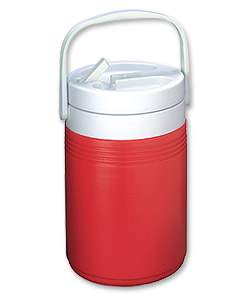
I'm a pretty active girl, so I never really felt the need, or knew there was a need, to be conscious of my water consumption. I'd go to play tennis and after finishing, I'd find my huge Coleman jug that was once full of water, practically empty. Or I'd come inside to take a break from working in the garden and quickly down a couple glasses of water. Ahh, I couldn't get enough of the stuff. So refreshing, perfectly neutral and tasteless. That's what I liked about it, so pure and simple, different than any other substance a human would normally consume. And I figured, hey I'm always sweating, and Americans "never" get enough water, so I probably need all this H20. I didn't really think twice about my drinking habits.

Since I seemed to always be filling my time by doing something active, I also seemed to almost always be drinking water. Essentially, my drinking became an incessant habit. I was a "waterholic". Pretty soon, even when I wasn't doing something physically exerting I'd reach for a glass of water. If I was thirsty, I'd get some water. If I was tired, I'd get some water. If I was bored- water. If I was studying- water. If I was cooking- water. And on and on and on...Until it got to the point where I was sitting in the doctors office, probably just after drinking some water, and wondering what was wrong with me.

Apparently I had caused my electrolytes to become out of balance. All that water was flushing some pretty essential nutrients too quickly out of my body. Well, I always thought I had a small bladder, when in reality I was probably just drinking too many fluids. Who knew?

After leaving the doctors office, the following days I made a conscious effort to watch my drinking habits and become aware of when my body truly was thirsty. It was harder than it seems. I'd find myself unconsciously filling up a glass of water and only seconds later realizing I wasn't even thirsty. I'd stop downing gallons of water after running, working, and doing sports, and instead drank moderate amounts, yet almost always wanting more. While every other American was trying to cram more water into their systems, I was trying to fight my craving of wanting to drink more water. It was, and still is, especially hard for me to cut back on sipping water while I'm trying to fall asleep. Everytime my head hits the pillow, my mouth seems to miraculously become dry. Though, I'm pretty sure this is just because my body has been programmed for so long to drink during this time period.

After a few weeks of limiting my water consumption, I began to be able to become in tune with my body and realize when it truly wanted/needed water. My lightheadedness quickly started to fade and I also started to regain my energy. For an additional boost in balancing my electrolytes, I'd drink PediaLyte after intense physical activity. The drink originally intended for babies doesn't particularly taste good. In fact, it tastes terrible, like a mix between ocean water and pee, so it's better not to end up getting stuck in a situation where you need it.

While ultimately it down right sucked losing my energy and going through a neverending doctor examination process, this did ultimately teach me something. Actually, it taught me a lot. It's no lie that everything really is best in moderation. If you overdo anything, ANYTHING, somewhere down the road you'll probably be negatively effected. For instance, you overdo yoga- you'll either hurt yourself or it will become a chore and you won't love it anymore. You overdo exercise- you'll exhaust your body or injure yourself. You over do carrots- you'll turn your skin orange from consuming too much vitamin A. Nothing, no matter how good it is for you, should be overdone.

Always try to stay in tune with your body and really become aware with how you are feeling. Don't let your mind overcome the way your truly feeling. Whether you're stressed or feeling under the weather, listen to yourself and often follow your intuitions. Plus, good health is definitely one leading key to happiness. Cherish it.

In my next post, I will be writing about how much water Americans really should be drinking. While I had a problem with overconsuming it, H20 is definitely still essential to life. Unless you find yourself unconsciously drinking it 24/7, I wouldn't cut back. But maybe take a moment to look at something else you may be overdoing. Whether its work, exercise, not enough exercise, or food, just take the next couple weeks to bring yourself back into balance. That's the key to life: Everything in balance.

Wednesday, September 23, 2009

Beware...Excercise May Make You Gain Weight?

While this might sound counterintuitive, if not careful, exercise can actually make you gain weight. Don't let all those endless miles on the treadmill or those arduous heavy-weighted squats go to waste. Be mindful of the following traps that can damage almost any gym-goers physique.


  • Justifying junk: Picking up a complimentary doughnut as you pass by the break room on your way into work might not sound like a bad breakfast idea after having just completed sweaty morning workout. Hungry and readily available, it's easy for one to grab and quickly devour the sugar-&-fat loaded doughnut. However, this doughnut would cost you roughly 200-250 calories depending on the brand, and up to 15 grams of fat! According to Self magazine's fitness calculator, a 140 pound person who runs at a moderate pace (9mph) for 30 minutes will burn approximately 366 calories. Meaning, if you choose to indulge in that doughnut, over half the calories you burned from the treadmill will be instantly canceled out. And it's not just being ravenous after a workout that may cause you to needlessly indulge. Many people justify spoiling themselves with junk food or late night snacks as long as they stick to a regular workout schedule. While it's okay to treat yourself once in awhile, daily indulging on junk will completely destroy your gym efforts in terms of sculpting a toned body. While the boundless aisles of chips may seem admissable when you're consistently working out (especially when going grocery shopping on an empty stomach), its best to skip them all together and wait until a special occassion, such as dining-out for lunch, to satisfy your junk food cravings. This way, the chips/pretzels/etc. will be already portioned out for you, eliminating the temptation of overindulging.

  • Evil & Expendable Energy Bars/Drinks: Unless you are training for a triathalon, most likely you don't need to be consuming energy drinks or bars. Sports drinks tend to be high in sugar (or controversially cancer-causing artificial sugar) as well as other processed/artificial ingredients. It would be better to get electrolytes and a few pick-me-up calories from something wholesome, like a banana. Even worse are energy bars, which are often loaded with both processed ingredients and a ton of calories. Other than the added vitamins that they are enhanced with, energy bars are essentially the equivalent of a candy bar. In fact, some candy bars such as the ones that contain peanuts actually provide equally as much protein as many energy bars. Not to mention, energy bars often taste like chalk, allowing candy bars to by far outshine them in taste. Also, if you don't read the nutrition label you can often end up consuming a whole meals' worth of calories, just by eating one bar! Popular brands of energy bars such as PowerBar and Cliff typically contain between 270-300 calories per bar. While this isn't quite a meal's worth of calories, just eating one bar probably won't leave you satisfied. Most likely you'll reach for something else, adding even more calories to the stack. The Mayo Clinic says that most high impact aerobics only burn approx. 255 calories per 30 minutes...less than what's in the typical energy bar. So stick to guzzling pure H20 instead of those sugary, food-colored drinks. Refuel by eating my favorite, a banana topped with peanut butter, giving you a kick of protein, some natural electrolytes such as potassium, and a superior taste to that of any processed protein bar.
  • Hungry as a Hippo: Many people hit the gym without having eaten anything, such as times immediately prior to meals. For many people, the prime times to head to the gym are either in the morning right before breakfast, or in the evening right after a long day of work/class. Often having not eaten anything for hours, people find themselves leaving the gym starving, or their stomach growling an hour or so later. This might not only leave you feeling justified in swinging by Burger King on your way home, but you may find yourself downing not only those greasy chicken nuggets, but a large french fry as well. And even if you have good self-control and consider yourself a non-fastfood junkie, you're more likely to overeat at your next meal, or reach for an unhealthy snack in between then. There's no doubt that exercise stimulates the appetite. It also burns calories, requiring food to refuel the body. However, just how many calories exercise actually burns is often overlooked. Many people assume that after a hard workout, they've burned enough calories that they can eat just about anything. This is not true. While you should consume foods containing both protein and carbs as well some healthy fats post working out, you don't necessarily need to up your intake. Drastically increasing your portion sizing will leave you looking like you never even go to the gym at all. If you're looking to maintain a steady number on the scale or to lose a few pounds, keep your portion sizes consistent, whether you've worked out that day or not. A typical hour workout will burn anywhere from 150-550 calories, depending on the intensity. In terms of food, this is not that much considering eating something healthy and low-cal like a bowl of oatmeal and an apple adds up to 200 calories in itself. For the normal gym-goer, meals don't need to be supersized and if your appetite feels like it is. To help avoid a huge spike in appetite after working out, reach for a snack an hour or two before hitting the gym. AOL Health recommends choosing a food that contains both protein and complex carbs. Try whole wheat crackers spread with a tablespoon of almond butter.
While if not mindful, exercise may lead to weight gain. However, there's no doubt that exercise is extremely beneficial and one of the key ways to actually lose weight. Just be aware that exercising can set traps that can actually cause the numbers on the scale to go up. Stick with a healthy diet, while letting yourself occasionally indulge in a treat. Don't use going to the gym as an excuse to eat a huge bowl of ice cream. Instead of connecting treats as being a reward, make them be an arbitrary moment of indulgence just because life is good. Allow yourself to take time to savor the taste and be in pure contentment. I also wouldn't let energy bars or drinks be your treat, for the simple fact that they just don't taste good. And don't think that they are actually a health food, because quite frankly they're not. Lastly, stick to moderate portion sizes and use healthy pick-me-up snacks to curb your appetite. Before downing a whole meal, eat something small and allow time to digest. Notice how you may feel a little less ravenous, and always stay in tune with your body allowing it be the guide in telling you if you really are hungry.

Tuesday, September 22, 2009

Monday, September 21, 2009

Life is Like a Box of Chocolate


If there's one food that I can say I truly love other than peanut butter, it's got to be chocolate. The combination of my two favorite foods isn't bad either. Lucky for me, recent studies have shown that chocolate may actually be healthy, as long as it's eaten in small amounts. However, this still proves to be a contentious issue among health experts. Many defy claims about the health benefits of chocolate, and say that even if true, chocolate's unhealthy properties outweigh any positive benefits. I did some research to find out the real deal about chocolate: Healthy or not?

-Chocolate-eaters have increased survival rate after heart-attacks: A study done in Sweden followed 1,619 first-time heart attack patients for 8 years succeeding their first heart attack. Scientists tracked the patients' chocolate consumption and concluded that those who ate more chocolate were more likely to survive. However, while the study did account for such factors as age, obesity, sex, physical activity, and education, it didn't account for factors such as mental health.
*Chocolate contains flavanols, antioxidants of which are supposed to have a positive effect on the cardiovascular system. The flavanoids are supposed to help increase the elasticity of blood vessels as well as help prevent blood clots. This information helps to prove the study may have some actual signifigance.
*Similarly, other studies have shown that chocolate decreases blood pressure.

-You gotta go dark- While chocolate does contain heart-healthy antioxidants, similar to those in various fruits and vegetables, tea, and red wine, not all chocolate is created equally. According to the Mayo Clinic, the darker the chocolate, the more substantial the amounts of flavanoids. While those sweet milk and white chocolates may seem good to your taste buds, they're pretty much worthless in terms of boosting chocolate's healthy reputation. Fortunately, I prefer dark chocolate over other varieties anyways. If you're not a fan of dark chocolate though, I at one time could relate. At first, I only really liked milk chocolate. However, my entire family preferred dark chocolate, so that would essentially be the only treat lying around our house. After continuously sampling the dark, it eventually grew on me to the point that I don't even really like the taste of milk chocolate that much anymore (that is, unless it's paired with my fav. PB, such as in Reese's...mm). If you like dark chocolate in the least bit, making the switch won't be that difficult.

-Beware, even dark has its problems: While dark chocolate does have a significantly higher amount of flavanoids, you still can't just choose any dark chocolate. Processing methods can often notably decrease the flavanoid content in chocolate bars. To ensure that you are actually reaping the health benefits of eating dark chocolate, choose bars that have few added ingredients and limit damaging processing procedures. Try CocoaVia products, which use a method of processing that helps to limit the damaging of flavanoids. Also, choose bars that contain at least 70% cocoa. I especially enjoy Lindt chocolate, which offers a wide variety of dark options. Scharffen Berger chocolate is also a tasty option.

-Skip the milk- While you may absolutely have to have that glass of milk when munching on cookies, skip it when it comes to eating chocolate. A protein in milk binds to the flavanoids in chocolate, making them less easily absorbable. Having a dark chocolate cookie (although this may not apply anyways because of the processing, but just in case)? Pour yourself a nice glass of soy milk, and feel free to go for the dunk.

-Don't forget to limit yourself!- While all these tips and potential health benefits do sound absolutely wonderful to any chocoholic, chocolate should still be eaten in moderation. Although dark chocolate contains the same antioxidants as various fruits and vegetables, it is significantly higher in fat and calories! You're common sense and conscious should tell you that a chocolate bar a day will not keep the doctor away. The typical chocolate bar is almost 50% fat, with a signficant amount of it being saturated. You only need a small amount of dark chocolate to benefit. Instead of gourging yourself on a daily basis, save it for special occasions, or use it to replace other artificial/processed/unhealthy sweets.

Sunday, September 20, 2009

More on Why You Should Take The Stairs

Avoid elevators and save time, health

Students should opt to take the stairs, not get a lift.

It’s a familiar story.

You walk in Anderson Hall and file into the long line of people waiting for the elevator to arrive from the 12th floor. After collecting students and faculty from every level on its descent, the elevator finally reaches the first floor, where it quickly fills up, leaving no room for you.

“Come on,” says the little voice in the back of your head. “Why didn’t you just take the stairs in the first place?”

It’s time you start listening to that little voice.

By taking the stairs, students can simultaneously save time, the earth and their bodies. Additionally, those who climb the university’s many sets of steps aren’t taking up valuable space necessary for riders who are wheelchair-users or otherwise physically unable to take the stairs.

Unless it’s physically necessary, the elevator serves as a crutch to many who are simply lazy or ignorant of how they are weakening not only themselves but their environment as well.

As Americans’ lifestyles become increasingly more sedentary, every bit of exercise is important. As college students, we spend a lot less time being active and a lot more time sitting in the classroom.

Taking the stairs in between classes, though, makes it possible to incorporate regular physical activity into a jam-packed college schedule.

According to health24.com, a 154-pound person can burn 10 calories per minute taking the stairs. That may not sound like a lot, but walking up the stairs for a total of 10 minutes a day adds up to 700 calories per week – amounting to 2,800 calories per month.

“Taking the stairs instead of the elevator should not be considered your cardio for the day, but you will be burning more calories,” said Tricia DePoe, fitness coordinator for Campus Recreation, “and anything extra helps.”

“Think of the saying, ‘if you don’t use, it you lose it,’” DePoe added. “That can apply here.”

Climbing stairs helps to tone the leg muscles, particularly the quadriceps and buttocks, and helps serve the same purpose as those arduous lunges you may do at the gym.

A study conducted by the European Heart Journal showed an average increase of 8.6 percent lung capacity among 69 hospital employees, after they took the stairs for 12 weeks. Participants also showed a 1.7 percent decrease, along with decreases in waist circumference, diastolic blood pressure and LDL cholesterol (bad cholesterol).

Standing in an elevator won’t burn you many calories, but it can burn valuable time and different kind of fuel.

Elevators also require energy, raising the electrical bill and taking a toll on the environment. The American Council for an Energy-Efficient Economy found that elevators in air-conditioned office buildings account for 5 percent of building electricity use in North America.

Taking the stairs boosts the health of the environment and your own body, so unless you’re physically unable to take the stairs, there’s no excuse to wait in those lines. Instead, save yourself some time, burn some calories and head for the stairs.

Saturday, September 19, 2009

How to Wake Up Without Needing “Joe” By Your Side

Are you one of the many who finds yourself dependent on coffee in order to wake yourself up in the morning, especially if you plan on sporting a smile on your face? Does your whole day seem off if your coffee machine isn’t started first thing or if you don’t swing by Starbucks on the way to work to get your daily dose of caffeine? Well, you’re not alone. According to the National Coffee Association of the U.S.A., 54% of Americans drink coffee beverages daily, meaning approximately 400 million cups of coffee are consumed everyday in the U.S.

However, just because coffee is significantly popular doesn’t mean daily consumption of it is healthy, and it certainly isn’t very beneficial when it comes to keeping money in your pockets during these bleak economic times. Although coffee may provide some benefits if drank in moderation, it poses negative risks to your health when excessively consumed. Caffeine, one of coffee’s most loved properties, can contribute to anxiety, irritability, restlessness, and an interference with one’s natural sleep schedule. “The effects of caffeine can sometimes backfire, for instance if you are trying to study or really concentrate on something,” says Nicole Patience M.S., R.D., C.D.E, registered dietician at Temple University.
Because of the caffeine it contains, coffee also dehydrates the body, in the long run taking away from its rejuvenating effects. Since coffee masks the feelings of fatigue, it will often induce the body to crash later on in the day, causing an unnatural cycle of continuous crashing and artificially refueling using caffeine.
Also, due to its caffeine, coffee is addicting (which is most likely why you find yourself drinking it every morning). When consistently consumed, a withdrawal from the substance may cause symptoms such as headaches, fatigue, depression, nausea, and lack of concentration. Coffee is similar to a drug in that it causes many people to become heavily dependent on it. No one wants to have to be dependent on something else to keep a sense of sanity. So why not keep your independence and save a few bucks by waking up in a more natural way? Utilizing a combination of the following five easy options will help you to wake up feeling refreshed, energized, and happy—the natural way.

1. IMITATE THE SUN FOR 10 MINUTES OF YOUR MORNING (IT NEVER SEEMS TO HAVE A PROBLEM WAKING UP)
As you wake up with the sun, mimic it by stretching your body as it stretches its rays towards the sky. Recycle the time you would spend making or driving to get coffee, and instead use it to start your morning off productively by engaging in ten minutes of gentle stretching alongside the sunrise (or sun’s rays if its already finished waking up). Stretching increases blood flow to your muscles and naturally awakens the body. It also helps to relieve tension in the body and fight off any stress that you may build throughout your day. “Stretching relieves chronic tension that actually wastes energy, coming from holding the muscles in tight,” said Mick Grady, a yoga teacher and therapist at the Himalayan Institute. “By relaxing the muscles [through stretching], you regain that energy rather than just wasting it to tension.” Try engaging in a few rounds of sun salutations, a sequence containing a combination of forward and backward bends consisting of about 12 poses. “Sun salutations have a lot of variation and are a great way to start moving and invigorating the body,” said Grady. Notice how with each stretch your body slowly starts to awaken and becomes revitalized after a long night’s rest.

2. GET YOUR GROOVE ON
Put on some Michael Jackson or any of your other favorite upbeat tunes and start your body’s endorphins by shaking that body of yours. Dancing will not only wake you up by increasing the circulation in your body, but it will more than likely put a smile on your face as well. According to the Mayo Clinic, just 10 to 15 minutes of aerobic activity, such as dancing, can boost your mood. No longer will you need that cup of coffee to happily awaken you.

3. EAT, EAT, EAT
Breakfast: Yes, this is the time where it’s absolutely vital to chow down on some food. Breakfast stimulates your metabolism, replenishes your blood sugar, and refuels your body to give you the energy necessary to start your day. “Breaking breakfast down into ‘break’-‘fast’, breakfast means you are breaking your fast from overnight,” says Patience. “Your body uses energy while sleeping and breakfast replaces this energy. By starting to eat meals early in the day, the body can start to burn energy instead of having to conserve energy to refuel later in the day.” However, it is important to eat a nutritious breakfast that contains limited amounts of refined sugar products, which spike your blood sugar and can send you crashing later in the day. Stick with nutrient loaded fruits, which contain just enough natural sugar to perk you up without hindering energy levels later on. Choose whole grains, which are rich in fiber and complex carbohydrates that will leave you full and keep you energized throughout the morning. Instead of taking the time to make a cup of coffee, energize yourself nutritiously by putting some oatmeal on the stove. Add in antioxidant-rich blueberries towards the end of cooking and top your oatmeal with a few chopped walnuts to give yourself a boost of protein. Drizzle a hint of maple syrup on top, and enjoy a healthy, naturally sweet treat that will make it almost impossible for you to miss your morning brew.
4. HAVE A CUP OF TEA
If you absolutely can’t ditch your morning caffeine, try sipping on a cup of tea, which typically contains much less caffeine than coffee. An eight-ounce serving of coffee has approximately 95 milligrams of caffeine, where as an eight-ounce serving of black tea (one of the highest caffeinated forms of tea) contains 47 milligrams, slightly less than half the amount in coffee. The subtle amount of caffeine in one cup of tea will help to awaken you without putting you as much at risk of addiction or of the negative side effects from overconsumption. “Small amounts of caffeine can be beneficial and help us be more alert during the day,” says Patience. Tea additionally provides many natural health benefits. Tea contains flavonoids and polyphenols that work as antioxidants and that help to lower the risk of certain diseases. According to WebMD, one study shows that tea has 10 times the amount of antioxidants than fruits and vegetables. Other studies have shown that green tea, which happens to contain between ½ to 1/3 of the amount of caffeine of black tea, reduces heart disease. According to the Mayo Clinic, a study in Japan showed that participants that drank green tea daily proved to have less memory difficulty than those who did not drink tea. So if you need something warm to replace your coffee, grab a cup of tea and simultaneously boost your antioxidant level, and maybe even your memory, while drinking.

5. CATCH UP ON YOUR ZZZ’S
There’s no natural way around it: your body needs sleep. In order to feel energized in the morning, getting enough of it is crucial. Without a good seven to nine hours of sleep (depending on your individual needs), you are never going to be able to feel your best, even with that cup of coffee. Sleep regenerates you and repairs any damaged cells from the day before. It is vital in order to maintain a peak level of alertness and concentration. Sleep also helps to monitor the many chemicals in your brain, such as serotonin of which high amounts are linked to depression. Therefore, sleep helps to keep you happy, the natural way, without the need of a caffeine boost. Try going to sleep an extra hour earlier and also try to stick with a consistent sleep schedule so that you will have no trouble falling asleep once you hit the pillow. The extra time spent sleeping will be worth it when you wake up feeling happy and fully refreshed, feeling no need to feed a persistent addiction. You will be able to increase your productivity as you start your morning fully concentrated and remain more awake throughout the day.